Writing · Pricing / Revenue Management
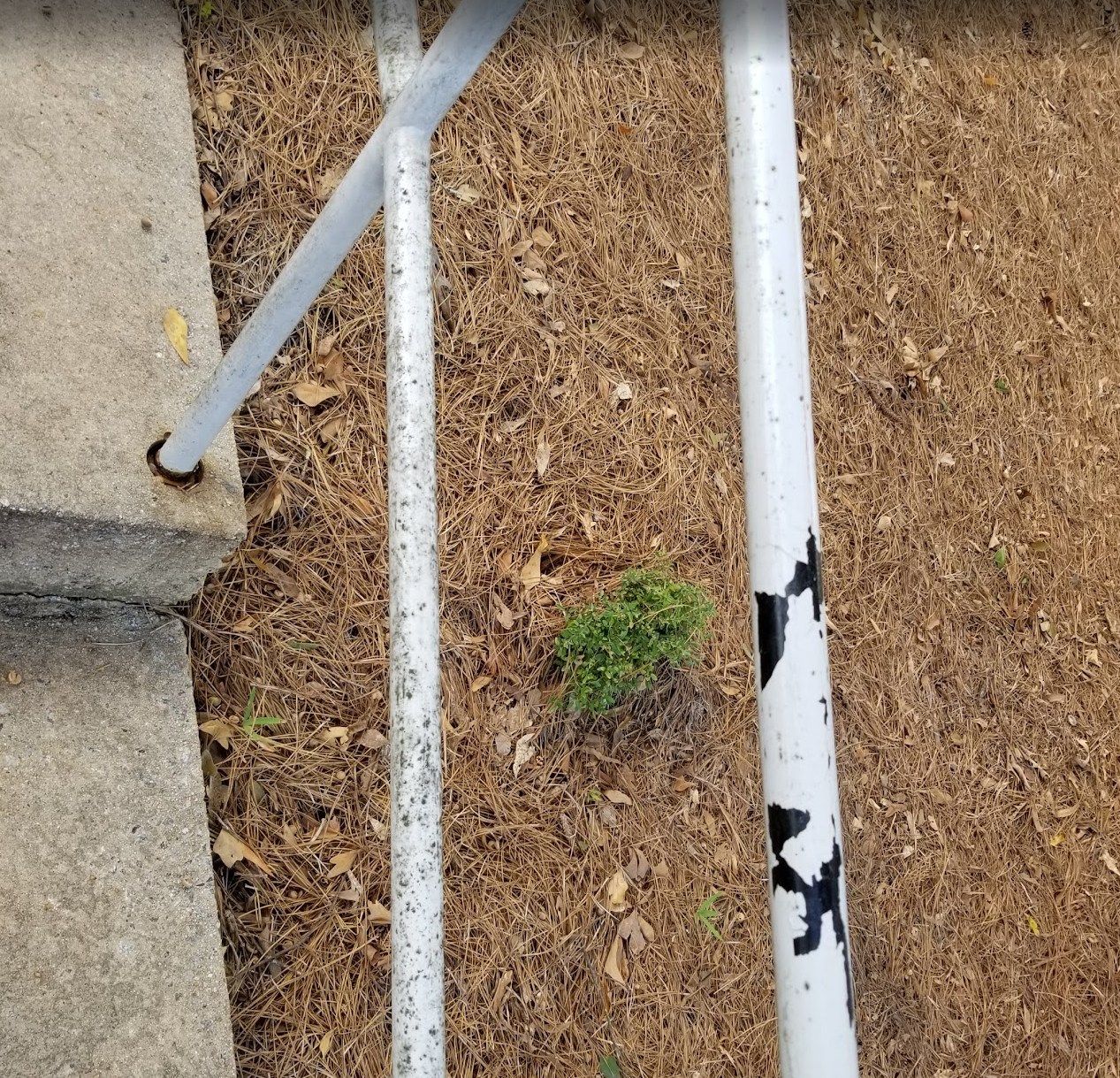
Somebody got exactly the paint job they paid for.
That's what's wrong with it.
Paint peeling in sheets. Metal showing through, mildew down the whole run. We didn't paint this. We bought it. Somebody rolled a fresh coat over a dirty, rusting rail and cashed a check. Looked great for two months.
Here's how this often happens.
You tell your property manager to get bids on the handrails. She calls four painters. Three show up with a wire brush and start scraping to see what's underneath. The fourth counts linear feet from the parking lot and emails a number that afternoon.
Guess who won.
She did nothing wrong by her own understanding. Told to get bids, got bids. But she asked for a price without writing a scope, so the painters wrote it for her. Four painters, four scopes. Low bid wins, and often the fastest way to be low is to leave things out.
The job was never just the paint. Wash it. Kill the mildew. Power tool the rust down to bare metal. Wipe the dust off. Spot-prime the bare metal, then prime the whole run. Paint is the last twenty percent.
And the paint itself has to match the metal. Galvanized rail takes a different primer than plain steel. Put the wrong one on and it peels the same way, even if the prep was perfect.
You have to think about the weather, not just the scope. Steel has to be dry and warm, five degrees above the dew point, and warmer than the air says. I've stopped crews at seven in the morning, painting a rail that was sweating. Looks fine going on. Let's go a year later.
So inspect while the job is still open. On rails, the crew stops and calls after prep, before any paint. Once the topcoat is on, good prep and no prep photographs identically.
Four painters gave her a bid, but she didn't know the right scope to price.
If you don't know the scope. Go find the correct one. Ask somebody who's done it. Call the coatings rep. An hour of that beats four bids on a job nobody defined.
Define what the job is before you ask what it costs.